




| SNo. | Scientific Name | Locality | Habitat | Basis of Record | Description | Recorded By | Record Number | Island | Source | Date |
|---|---|---|---|---|---|---|---|---|---|---|
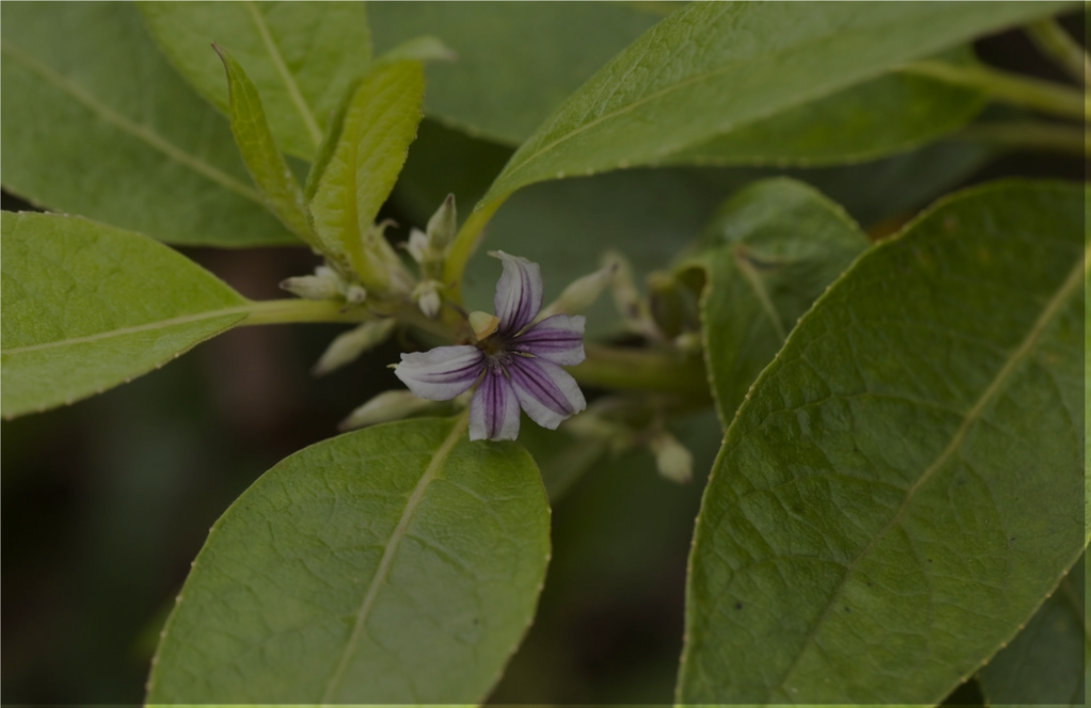
| 1 | Vaccinium calycinum × Vaccinium dentatum | Near summit of Mt. Kaala. | along ridge trail to Mt. Kaala, close to summit. | Preserved_Specimen | Many individuals ranging from 4cm-6 ft tall. Characters of dentatum and calycinum mixed about half and half. Taller stalks spindly, supported by surrounding tall shrub and other vegetation, and sparsely vegetated throughout, mostly on top, like calycinum. Leaves shape, size and texture more like dentatum. Most flowers light pink or reddish pink mottled with green, some sides of flowers completely green, an even mixture of dentatum and calycinum. Calyx lobes yellowish green in flower, green in fruit. | Becker, A.L. | 603 | Oahu | BISH | 2019-05-20 |
| 2 | Vaccinium calycinum × Vaccinium dentatum | Kamakou Preserve, Nature Conservancy: Pepe o Pe Bog | Preserved_Specimen | About ten individual stems poking out from vertical wall of moss and ferns, well shaded. Not visibly connected by a central leader. Some woody stems connected but some not. Width of stems about the same throughout. This individual was especially spiny at margins: single, long spines varying in shape and size, in almost random order. Some serrations actually look double. Leaves super tough, uppersides shiny and most margins red especially in new growth. Smaller then calycinum and more lanceolate in general, but not just straight var. lanceolatum. Some leavees have the character of longer teeth at base of leaves, approaching a cordate-look in the leaf. Some new growth soft-pinking plus size and shape of leaves suggest cacycinum influence here. | Becker, A.L. | 107 | Molokai | BISH | 2019-06-17 |
Lorem ipsum dolor sit amet, consectetur adipiscing elit, sed do eiusmod tempor incididunt ut labore et dolore magna aliqua. Ut enim ad minim veniam, quis nostrud exercitation ullamco laboris nisi ut aliquip ex ea commodo consequat. Duis aute irure dolor in reprehenderit in voluptate velit esse cillum dolore eu fugiat nulla pariatur. Excepteur sint occaecat cupidatat non proident, sunt in culpa qui officia deserunt mollit anim id est laborum.
Lorem ipsum dolor sit amet, consectetur adipiscing elit, sed do eiusmod tempor incididunt ut labore et dolore magna aliqua. Ut enim ad minim veniam, quis nostrud exercitation ullamco laboris nisi ut aliquip ex ea commodo consequat. Duis aute irure dolor in reprehenderit in voluptate velit esse cillum dolore eu fugiat nulla pariatur. Excepteur sint occaecat cupidatat non proident, sunt in culpa qui officia deserunt mollit anim id est laborum.
Lorem ipsum dolor sit amet, consectetur adipiscing elit, sed do eiusmod tempor incididunt ut labore et dolore magna aliqua. Ut enim ad minim veniam, quis nostrud exercitation ullamco laboris nisi ut aliquip ex ea commodo consequat. Duis aute irure dolor in reprehenderit in voluptate velit esse cillum dolore eu fugiat nulla pariatur. Excepteur sint occaecat cupidatat non proident, sunt in culpa qui officia deserunt mollit anim id est laborum.
Lorem ipsum dolor sit amet, consectetur adipiscing elit, sed do eiusmod tempor incididunt ut labore et dolore magna aliqua. Ut enim ad minim veniam, quis nostrud exercitation ullamco laboris nisi ut aliquip ex ea commodo consequat. Duis aute irure dolor in reprehenderit in voluptate velit esse cillum dolore eu fugiat nulla pariatur. Excepteur sint occaecat cupidatat non proident, sunt in culpa qui officia deserunt mollit anim id est laborum.
Lorem ipsum dolor sit amet, consectetur adipiscing elit, sed do eiusmod tempor incididunt ut labore et dolore magna aliqua. Ut enim ad minim veniam, quis nostrud exercitation ullamco laboris nisi ut aliquip ex ea commodo consequat. Duis aute irure dolor in reprehenderit in voluptate velit esse cillum dolore eu fugiat nulla pariatur. Excepteur sint occaecat cupidatat non proident, sunt in culpa qui officia deserunt mollit anim id est laborum.
Lorem ipsum dolor sit amet, consectetur adipiscing elit, sed do eiusmod tempor incididunt ut labore et dolore magna aliqua. Ut enim ad minim veniam, quis nostrud exercitation ullamco laboris nisi ut aliquip ex ea commodo consequat. Duis aute irure dolor in reprehenderit in voluptate velit esse cillum dolore eu fugiat nulla pariatur. Excepteur sint occaecat cupidatat non proident, sunt in culpa qui officia deserunt mollit anim id est laborum.
Thank you for your interest in submitting an image of
Select your image and leave a brief description of your photo below.